Explore How Onechain Immunotherapeutics Is Approaching the Future of In Vivo Approaches
Ahead of the 5th In Vivo Cell Engineering & Gene Editing Summit, we spoke with Stefanos Theoharis, the CEO of OneChain Therapeutics, a company at the forefront of in vivo CAR-T development, about why the field is attracting growing attention, the real bottlenecks still to overcome, and what the future of cell therapy could look like.
Who is OneChain Therapeutics and what are you currently working on?
We are a company that was spun out of the Institute Josep Carreras. We started with a very clear focus on hematological malignancies on the back of some work done at the Institute with new targets for CAR-Ts for T-cell leukaemia. Since then, we've progressed: we've moved the first product into the clinic, and developed a second dual CAR that addresses a broader patient population.
More recently, we started doing some work with an in vivo platform, a quite differentiated lentiviral-based in vivo platform, which we'll be speaking more about at the 5th In Vivo Cell Engineering & Gene Editing Summit.
Why are we seeing so many ex vivo companies now looking at in vivo as a potential route forward?
Ex vivo has traditionally been quite expensive and time-consuming. The patient has to go to an apheresis center, provide material that gets shipped to a manufacturing center, manufactured, and shipped back to a clinic, during which time the patient might relapse. That window is critical time for a lot of these patients, especially heavily pre-treated, refractory ones.
And then of course there is the element of cost. Costs have been coming down for ex vivo CAR-Ts, with automation and other technologies have helping but something like an in vivo CAR-T would be significantly more economical. It starts to look like a normal pharmaceutical product, a biologic. People do consider in vivo to be the future, and we agree.
What needs to happen for in vivo to become mainstream?
A number of advancements and breakthroughs still have to happen before in vivo makes it as a mainstream approach. That early enthusiasm does have to translate to extra work. We have identified some bottlenecks that we think, with a different technology, we can address. But we all have to understand that this is something that will take time.
If you could summarize in vivo CAR-T in three words, what would they be?
Fast | Economical | Simple
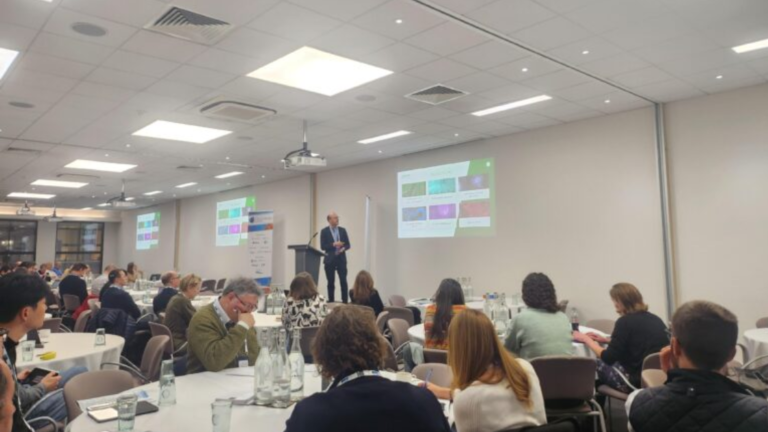
Explore the 2026 Full Program
View the detailed agenda, featured speakers, session highlights, and networking opportunities shaping the fastest‑growing frontier in cell and gene therapy.
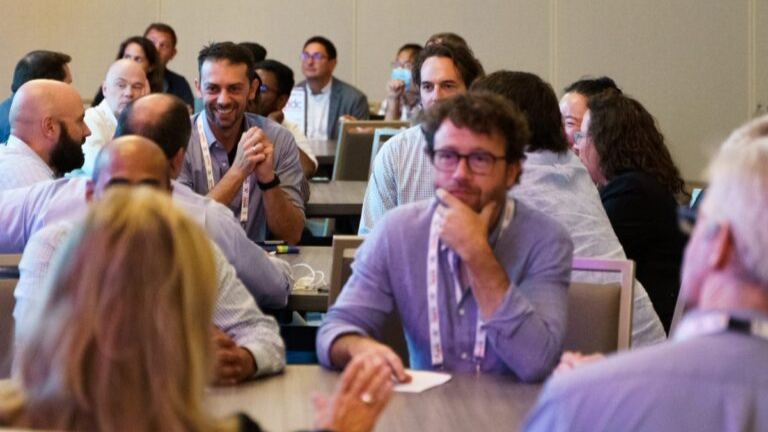
Secure Your Place
Join the only meeting dedicated to accelerating in vivo cell engineering and gene editing. Connect with global leaders, access exclusive clinical insights for first-in-human trials, and strengthen your development and delivery strategies.

Showcase Your Capabilities
Position your organization in front of senior R&D and CMC decision-makers at the forefront of this growing field. Attendees are seeking CDMOs, CROs, and vector design expertise to scale their in vivo programs.