
In vivo cell engineering and in vivo gene editing have rapidly transformed from early scientific concepts into the most-watched frontier in cell and gene therapy. Over the past year, the field has seen record-breaking investment, major biopharma acquisitions, and first-in-human data confirming the therapeutic potential of engineering cells directly inside the body.
For senior R&D, clinical, and corporate strategy leaders, the momentum is impossible to ignore. What was once a speculative platform is now reshaping pipelines, recalibrating manufacturing strategies, and influencing global development decisions.
Below is a breakdown of why in vivo approaches are now the most important catalysts in cell and gene therapy.
A Year of Milestones Proves In Vivo Has Entered a New Phase
The past twelve months have delivered a sequence of industry-defining events that signal commercial confidence, accelerated translation, and real-world validation.

February 2025
First personalized in vivo CRISPR gene editing therapy administered to an infant referred to as “KJ.”
March 2025
AstraZeneca acquires EsoBiotec after positive early clinical results.
March 2025
Arbor Biotechnologies announces a $73 million Series C financing round to advance in vivo pipelines.
June 2025
AbbVie acquires Capstan Therapeutics for $2.1 billion.
August 2025
Kite Pharma acquires Interius BioTherapeutics for $350 million.
September 2025
MagicRNA releases first-in-human feasibility data for its in vivo CAR-T therapy.
October 2025
Bristol Myers Squibb announces a $1.5 billion buyout of Orbital Therapeutics to enter the in vivo CAR-T space.
October 2025
Kite partners with Pregene in a $1.6B in vivo CAR-T deal
October 2025
ARPA-H invests in in vivo cell therapy as the FDA backs adaptive designs for in vivo CAR-T trials.
November 2025
Azalea Therapeutics raises $82M in combined seed and series A
February 2026
Eli Lilly acquires Orna Therapeutics for up to $2.4 billion.
This is not a normal investment cycle. It is a coordinated global race to secure platforms that can enable scalable, accessible, time-efficient therapies.
...
Pharma Is Betting on In Vivo as the Future of Cell Engineering
With more than $7 billion invested in in vivo over the last year, companies are expanding pipelines, accelerating milestone timelines, and competing for in vivo platforms capable of delivering durable, targeted, single-dose treatments.
Why it matters for Senior Leaders:
- In vivo approaches dramatically reduce manufacturing and cost compared to ex vivo therapies.
- They have the potential to eliminate apheresis and multi-week production cycles.
- They support more scalable treatment models, including expansion into community hospitals.
- They unlock indications that ex vivo cannot feasibly reach.
The race is no longer about “if” in vivo will become central to cell and gene therapy, but who will achieve clinical leadership first.
Growth of In Vivo CAR T Programs Is Surging
The number of active in vivo CAR-T programs has climbed sharply. Developers see in vivo CAR-T as a way to achieve the proven power of CAR-T without the cost and complexity of external manufacturing.
Key drivers include:
- Faster time to treatment
- Reduction of complex supply chains
- Improved scalability and accessibility across health systems
- Stronger investor enthusiasm due to commercial potential
The field has moved from experimentation to rapid program expansion. Will you be part of this movement?
New Disease Landscapes Are Opening Up
In Vivo CAR-T programs have also now expanded across disease types.
The diversification into autoimmunity is especially noteworthy. As more companies pursue in vivo reprogramming of T-cells or other immune cells, immune-mediated conditions are emerging as a major strategic frontier.
For CSOs and clinical heads, this opens opportunities to:
- Explore lower dose, repeatable approaches
- Avoid toxicity challenges associated with conditioning
- Develop therapies for earlier line intervention
- Reach large, underserved patient populations
China and APAC Are Accelerating Real World Validation
Asia has also become a new hub for innovation with early first-in-human in vivo CAR T data emerging from China, supported by investigator-initiated trials and fast-moving CMC partnerships.
This validates the role of APAC as:
- A proving ground for clinical feasibility
- A hub for CDMOs specializing in viral and non-viral delivery
- A region where timelines can move significantly faster
Executives planning global development strategies can no longer overlook this regional advantage.
The 5th In Vivo Cell Engineering & Gene Editing Summit Will Bring the Entire Landscape Together
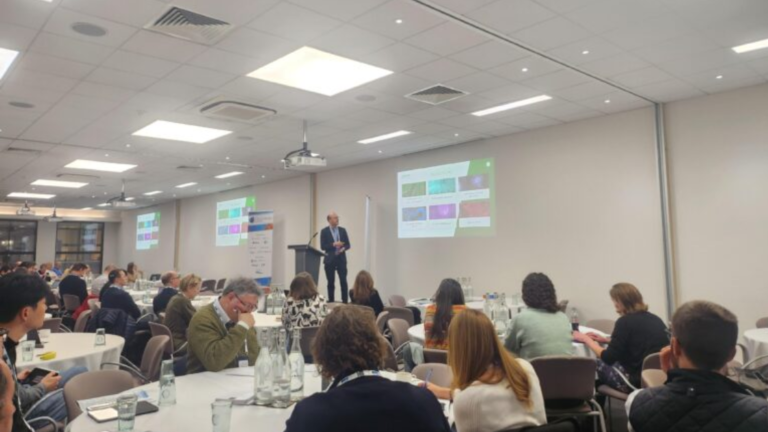
The 5th In Vivo Cell Engineering & Gene Editing Summit brings together global regulators, in vivo pioneers, pharma strategists, investors, technology developers, and Asian innovators who are already producing clinical results.
Teams attending will gain insight into:
- Next generation in vivo delivery systems
- Clinical translation strategies
- Global regulatory guidance
- Benchmarking across leading biotech pipelines
- APAC development and manufacturing acceleration
- Investment trends shaping the sector’s future
In vivo is no longer a niche arm of cell and gene therapy. It is becoming the central force shaping the future of the entire field.
Explore the Full Program
View the detailed agenda, featured speakers, session highlights, and networking opportunities shaping the fastest‑growing frontier in cell and gene therapy.

Secure Your Place
Join the only meeting dedicated to accelerating in vivo cell engineering and gene editing. Connect with global leaders, access exclusive clinical insights for first-in-human trials, and strengthen your development and delivery strategies.
Showcase Your Capabilities
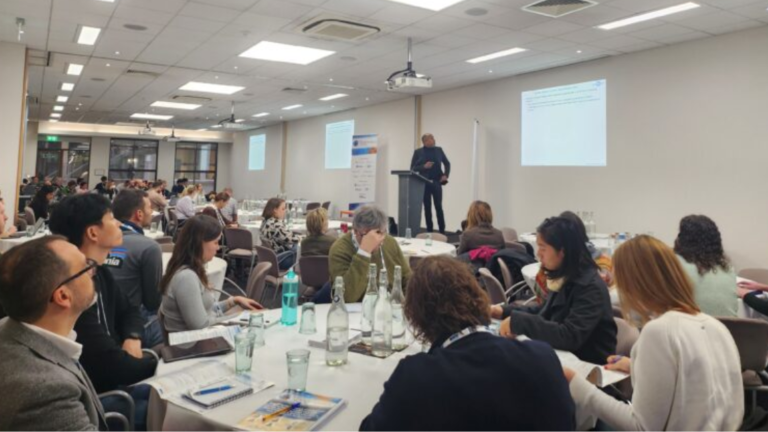
Position your organization in front of senior R&D and CMC decision-makers at the forefront of this growing field. Attendees are seeking CDMOs, CROs, and vector design expertise to scale their in vivo programs.